
About Apple Sugar™
One ingredient, real apple sweetness, and a swap you can feel good about.
About Apple Sugar™
Our Story
Apple Sugar™ was built around a simple idea: sweetness should feel honest. Most alternatives ask you to compromise on flavor, on ingredients, or on how your body feels afterward. Cane sugar and HFCS spike blood sugar; stevia, monk fruit, and artificial sweeteners often leave a bitter aftertaste or a label full of unfamiliar chemicals. We set out to create a clean swap made from apples, not laboratories.
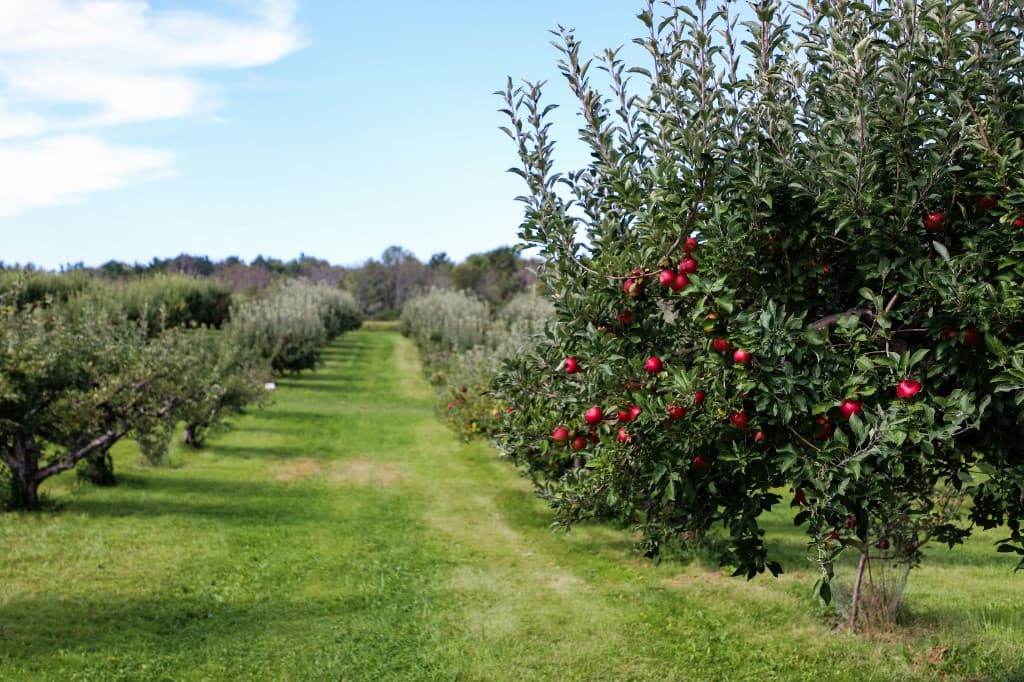
Every bottle begins with 100% apples. We source orchard-grown fruit selected for clean, stable natural sugars, then refine that fruit into a single-ingredient liquid sweetener. No blends, no fillers, no synthetic boosters. The result is ~25% sweeter than cane sugar, with a low glycemic index* measured in human clinical trials and no bitter aftertaste: science-backed sweetness for baking, drinks, and everyday cooking. Inspired by apples. Proven by data.
Why Apple Sugar™
The questions people ask before they swap
How Apple Sugar™ compares
Glycemic Index*
Apple Sugar™ measured GI 43 in human clinical trials, firmly in the low range (55 or below). Lower GI sweeteners tend to produce smaller blood sugar spikes, which matters for everyday swaps in coffee, baking, and meals.
- Apple Sugar™43Low GI
- Maple Sugar
- Honey
- Cane Sugar
- Table Sugar
- Brown Sugar
- Molasses
- HFCS
- Glucose
* Data from various sources. GI measures the relative rise in blood glucose two hours after eating. Values under 55 are considered low. Individual responses vary. Talk to your healthcare provider for personal guidance.